
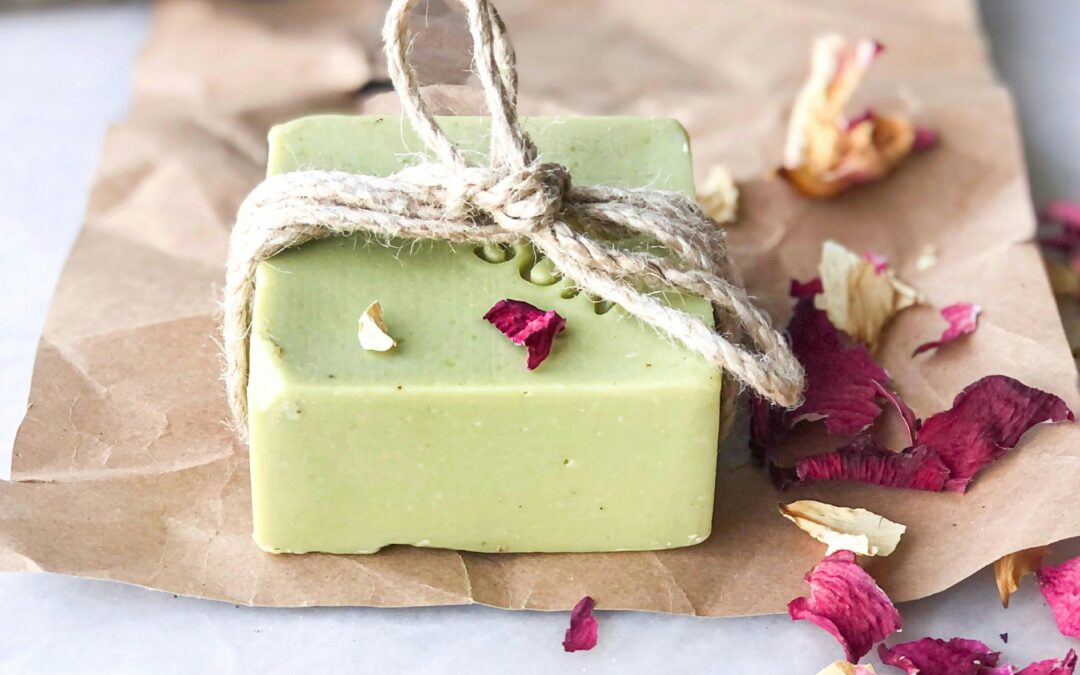
It can be a difficult task for people who have sensitive skin to pick out the right skin care products. Many commercial soaps will have artificial fragrances, synthetic chemicals, preservatives and strong detergents that can lead to skin dryness, irritation, redness or discomfort. Over the years, however, more and more people have become conscious of the advantages of natural skin care, that’s why more and more people are opting to use handmade herbal soaps as an alternative that’s easier on the skin.
Herbal soaps are made up of natural oils from plants, herbs, natural extracts and essential oils, and are produced by hand. These are usually smaller batches of products, with less manufacturing components and are made with quality ingredients that are skin friendly, as opposed to mass produced soaps. These soaps will remove the skin and make the skin moisturized.
Understanding Sensitive Skin
Sensitive skin isn’t a condition, but a state in which it is more prone to being affected by some products or environmental factors. People with sensitive skin may experience itching, burning, dryness, redness or irritation with certain skin care products containing harsh ingredients.
There are a number of things that may make skin sensitive. Genetics, environment, allergies, overuse of skin care products, damaged skin barrier are causes for sensitivities. This means that many dermatologists prefer to use mild and gentle cleansers, when possible.
This has made handmade herbal soaps more popular among those who are looking for more natural skin care regimen.
Understanding Handmade Herbal Soaps
Handmade soaps are soaps that are hand crafted using herbs. Herbal soaps that are handmade are also referred to as handmade herbal soaps. Handmade herbal soaps are not like many commercial soaps and contain different ingredients. The natural moisturizing compound, glycerin, that helps the skin retain water, is typically retained in the making of traditional soap.
Many soaps that are made in bulk use up the glycerin used to make the soap and might also use synthetic ingredients. This is a great ingredient that is normally kept in handmade herbal soaps and make them more moisturizing and ideal for sensitive skin.
Reduced Artificial Additives
The amount of artificial additives is decreased. The number of artificial additives is reduced. Today’s consumers are getting smarter about the ingredients they are putting on their skin and the effect these ingredients have on the skin. Common ingredients in the commercial skin care products, such as synthetic fragrances, artificial colours, preservatives and so on can cause reactions for some people. Handmade herbal soaps tend to have fewer of the synthetic components. Many artisans concentrate on the basic formula, with natural ingredients being emphasized.
Handmade herbal soaps can even have long term effects in helping to reduce irritation and promote health in the skin by minimizing exposure to potential irritants. If you’re prone to reaction with normal soap, making homemade herbal soaps might be a smart step to a more sensitive skin care routine.
Eco-Friendly Advantages
Pellagatti’s products are very environmentally friendly. Pellagatti’s products are highly environmentally friendly. Handmade herbal soaps also have a number of skin care advantages, and are frequently more eco-friendly than many of the commercial soaps they are made of. The majority of handmade soap makers employ eco-friendly ingredients and little packaging.
Not all products are in a plastic container, some are in a paper or cardboard container that can be recycled. Handmade soaps can also be produced in smaller batches, potentially resulting in a lower environmental impact compared to large-scale production of soaps. For all those who have heard about sustainability will be glad to get a chance to help companies that are “green”, while taking care of their skin.
How to Select the Best Soap
Making the best handmade herbal soap is not an easy task. It is not simple to select the most effective handmade herbal soap. There are several different types of handmade herbal soaps. It is crucial to be aware of the ingredients that are in a soap when choosing one for sensitive skin. Try to find soaps that have moisturizing oils, gentle herbs and little artificial additives.
Frequently, aloe vera, chamomile, lavender, oatmeal, and shea butter are utilized to make items for delicate skin. Regularly using a new product after patch testing may also be beneficial. If applied to a small area of skin, it is possible to determine sensitivity. If you choose to use high quality, handmade, herbal soaps from a reputable manufacturer you can be sure you will be getting a positive result.
Conclusion
As the number of people seeking natural and gentle solutions for their skincare needs increases, so do handmade herbal soaps. These soaps are beneficial in many ways to those with sensitive skin, such as gentle cleansing, natural moisturization, less exposure to harsh chemicals and the benefits of well-chosen herbal ingredients.
Although all skin is different, most people find that using handmade herbal soaps are more comfortable and nourishing alternatives to commercial soaps. Individuals can choose products containing the highest quality ingredients and specifically formulated formulations that can help to support skin health and wellbeing.
Also check,