
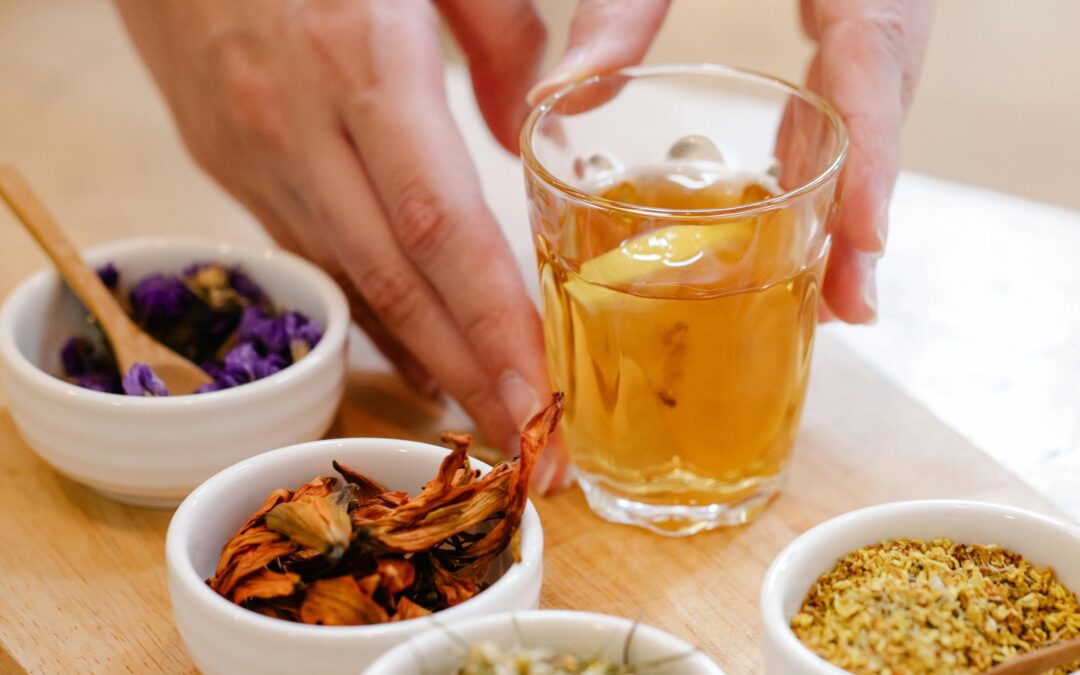
The emergence of herbal products and traditional products are on the rise in contemporary lifestyles. Whether it is herbal teas, natural oils, age-old remedies, or wellness tools, many individuals are returning to traditional practices to enhance their well-being and balance. But the answer to this is: Are herbal and traditional products really useful in the modern living or they are just a fad?
What are Herbal and Traditional Products?
Herbal and traditional products are natural products that are made using plants, herbs and other traditional practices that have been used over the years. These are commonly included in traditional medicine such as Ayurveda, Chinese medicine and other cultural medicines.
Common examples include:
-
Herbal teas (such as ginger, tulsi, chamomile)
-
Natural oils (mustard oil, coconut oil, essential oils)
-
Ayurvedic powders and pastes.
-
Classical remedies for the digestive, sleep and immunity.
-
Hair products, skincare products (natural).
Most of herbal and traditional products are typically prepared using natural ingredients and little processing in contrast to modern products that rely on the use of chemicals.
What So Popular Today?
Contemporary life is hectic, pressurized and reliant to a large extent on processed food and synthetic goods. This has seen many individuals seek safer and more natural options.
Causes of increased popularity:
-
Greater awareness of side effects of chemicals.
-
Longing to live in the natural and sustainable way.
-
Increasing awareness of holistic health.
-
Cultural attachment and faith on the traditional way of doing things.
It is not simply a trend people are following, but rather a search process by people to find a long-term wellness solution.
Do Herbal and Traditional Products Work?
In the first place, we will answer the most important question: But do herbal and traditional products really work in the present day life?
Yes, they may be effective—but with some conditions.
These products can be optimised when:
-
Used consistently.
-
In combination with a healthy lifestyle.
-
Selected depending on your special requirements.
They are not quick fixes such as some contemporary drugs, but they are geared towards achieving gradual and long-term improvement.
The Mechanisms of Action of Herbal and Traditional Products
In order to see how well they work, it would be prudent to know how the so called herbal and traditional products work.
1. Natural Healing Process
The products that are made of herbs help the body to heal itself and not to pressurize the body to heal.
2. Preventive Approach
Conventional systems are more concerned with illness prevention rather than treating the illness once it is developed.
3. Whole-Body Balance
They seek to treat the body, mind and lifestyle as opposed to treating a single symptom.
4. Gentle Impact
When used properly they generally do not have as many side effects as synthetic products.
Herbal and Traditional Products: Advantages of Using These Products
Properly used, the herbal and traditional products have a number of benefits.
1. Fewer Side Effects
In general, natural ingredients are milder to the body.
2. Long-Term Health Support
They contribute to the overall health as opposed to merely alleviating short-term issues.
3. Cost-Effective
There are numerous conventional remedies which are affordable and readily accessible.
4. Sustainable and Eco-Friendly
The majority of herbal products are environmentally friendly.
5. Cultural and Personal Connection
They frequently bear with them cultural importance and customary wisdom.
Typical Forms of Herbal and Traditional Products in Everyday Life
1.Herbal Teas
Used to digest, relax and get immunity.
2. Natural Oils
Applied in massages, cooking and skincare.
3. Ayurvedic Herbs
As overall wellness, such as turmeric, ashwagandha and tulsi.
4. Natural Skincare
Aloe vera, sandalwood or neem are used to produce products.
5. Traditional Wellness Practices
Incorporating yoga, meditation and daily routine.
Scientific vs Traditional Perspective
Among the key discussions about the use of herbal and traditional products, the question of whether it is scientifically proven or not, is a major debate.
Scientific View:
-
There is research that supports some of the herbs (such as turmeric and ginger).
-
Most of the traditional practices are yet to be studied.
-
Not all products are scientifically validated.
Traditional View:
-
Based on hundreds of years of experience.
-
Lays emphasis on experience and observation.
-
Transmitted by generations.
Balanced Truth:
Most herbal and traditional products possess a real benefit, but all claims are not verified. It is necessary to make good use of them.
The Use of Herbal and Traditional Products and Their Safe Use
The simplest rules must be adhered to in order to have the best results:
1. Start Small
Test one product each time and see the reaction of your body.
2. Choose Quality Products
Trust the sources of buying to be sure that it is pure.
3. Be Consistent
Natural products need time to realize results.
4. Avoid Overuse
More is not necessarily good—use suggested quantities.
5. Seek Professional Advice as Necessary
In case of serious health conditions, consult with professionals.
Common Misconceptions
Most people have unrealistic expectations concerning the herbal and traditional products.
1. “They work instantly”
Fact: They are very slow all the same.
2. “They will never be in danger”
Fact: Natural does not necessarily imply risk-free.
3 “They are able to substitute all modern medicine”
Fact: They can only be utilized as an aid and not as a substitute.
4. “All herbal products work effectively”
Fact: It is important to use quality and properly.
Do They Fit in With the Contemporary Lifestyle?
Yes, the use of herbal and traditional products can easily be incorporated into the modern lifestyle provided they are used in a practical manner.
They can help:
-
Reduce stress
-
Improve digestion
-
Support immunity
-
Promote better sleep
But they must be used in combination with:
-
Balanced diet
-
Regular exercise
-
When required, proper medical care.
Conclusion
Herbal and traditional products are not some ancient practice that is worthless in today’s world, but rather a useful tool that can be helpful in the modern world provided that it is used properly. They provide a natural, balanced and sustainable method of health. But, they are not magic pills. Their action will rely on your consistency, lifestyle and knowledge. When used correctly, they can be an extremely strong aspect of your day-to-day activities.
Also check,
Keshar or Saffron For Skin, its benefits and many more
7 Best Herbal Drinks for Sleep and Relaxation