
Nepal has an abundance of natural resources and traditional food knowledge which has sustained healthy lives for generations. Most foods consumed in typical Nepali households are not only affordable and organic but also very powerful in nutrients. These traditional foods are now coming into the limelight as superfoods owing to their great nutritional value and health benefits. Adding Nepali superfoods to your regular diet will naturally and sustainably enhance immunity, improve digestive systems, boost energy levels, and general wellness.
Nepali superfoods are basically local, low processed, and highly relate to the culture and geography of this country. From hill to terai, in every part of Nepal, there is a vast range of nutrient-dense foods that support an active lifestyle while keeping the body healthy and fit. Including these foods means no major dietary changes are involved; it just matters in making a selection for traditional, wholesome ingredients more often.
Why Nepali Superfoods are good for Your Health
Nepali superfoods are very significant because they supply the body with its daily requirement of vitamins, minerals, antioxidants, and good healthy fats. They are natural foods, not like the junk one gets from processed foods-good for easy digestion and long-term health. Most have prescriptions in Ayurveda and traditional Nepali medicines as intakes for building strength, facilitating digestion, or keeping diseases away. The consumption of nepali superfoods has an immune booster that helps one remain physically and mentally strong.
1. Gundruk
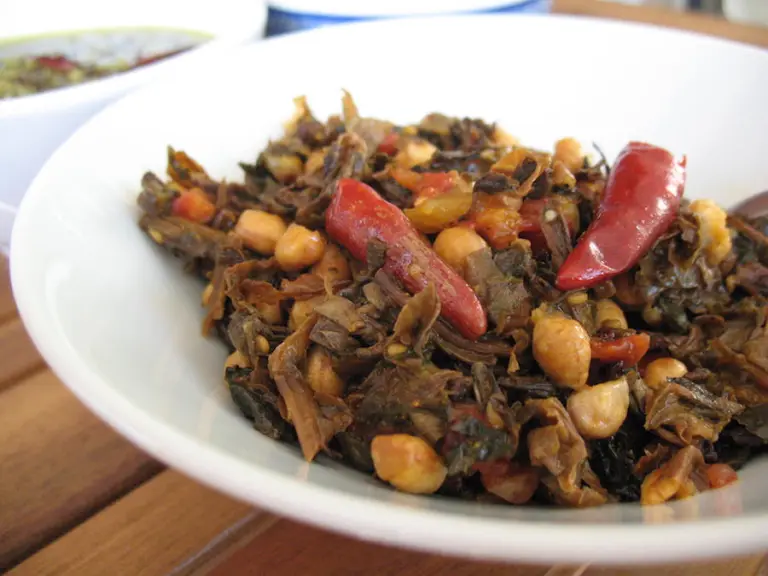
Gundruk counts among the favorite traditional Nepali superfoods. It is prepared by fermenting the leaves of mustard greens, radish leaves, or cauliflower leaves. Their nutrients have been enhanced through fermentation and therefore they are rich in probiotics that promote healthy gut and proper digestion. Fiber content, vitamin c content, and mineral content are also found high in Gundruk.
2. Chiura (Beaten Rice)
Beaten rice is considered as one of the staple foods by many households in Nepal. It is light and easy to digest food that gives quick energy. Beaten rice contains carbohydrates, iron, and fiber which makes it a nepali superfood for busy people to intake. When taken with yogurt, vegetables or legumes, beaten rice becomes a balanced diet containing nutritious elements that provide energy for a long time of day.
3. Dhido
Dhido is made out of flours from grains like millet, buckwheat, or maize. These are gluten-free grains and at the same time high in fiber content as well as mineral content plus healthy complex carbs. Dhido will thus help regulate sugar levels, support good digestion, and provide energy that lasts long. Among nepali superfoods, dhido comes first for its role in gut health and dietary balance, particularly intake among diabetic or digestive-intake populations.
4. Timur
Timur is a very peculiar spice extensively applied in the cuisines and medicinal recipes of Nepali people. Timur, digestion enhancer antimicrobial anti-inflammatory timur fruitful for digestion appetite booster as well as relief from stomach discomfort. It also contains vital amounts of antioxidants that work against body cell degeneration and damage due to oxidative stress under controlled usage, making it one of the superfoods from Nepal that are not popular.
5. Sisno
Sisno contains high nutritional value leafy vegetables that grow naturally in the hills of Nepal. It has an abundant content of iron and calcium as well as vitamins A and C plus plant-based protein. Benefits derived from Sisno include general bettering of blood health, boosting immune system, and joint health. Traditionally added to boost energy intakes, it was consumed for strength building. Powerful Nepali superfoods, adding Sisno to the meal makes it easy for the intake of such foods.
6. Lapsi (Hog Plum)
Lapsi is a staple fruit of Nepali cuisine, bearing a sour taste with abundant amounts of vitamin C. It assists in the processes of metabolism; it helps boost the immune system and keeps skin healthy. Apart from this, lapsi contains a significant amount of antioxidants that will protect body cells from damage caused by free radicals. As superfoods are always loved the most, nepali fruit Lapsi can be consumed in fresh form, dried, or used in pickles and candies.
7. Ghee
Ghee is produced from either cow or buffalo milk. In typical use, ghee permits the provision of healthy nourishment. It supports digestive processes, aids in brain function, and helps to absorb nutrients successfully. Consumed in moderate amounts, it gives healthy fats which are more related to the creation of energy and hormonal balance. The use of ghee was described within Ayurveda for some centuries but is still one of the nepali superfoods toward the direction of wellness.
Conclusion
Nepali superfoods come with a potent blend of tradition, nutrition, and sustainability. They are natural; they are inexpensive; they belong so much to Nepal’s culture and environment. By adding daily intakes of Nepali superfoods like gundruk, dhido, sisno, lapsi, and ghee-based foods in your meal intakes that will improve your digestive system as well immunity plus the healthy state of well-being. Getting these traditional foods into practice is one simple yet very effective measure in getting the support you need for healthier and more balanced living.
Also check,